
Quantum Computing Digest — 2021

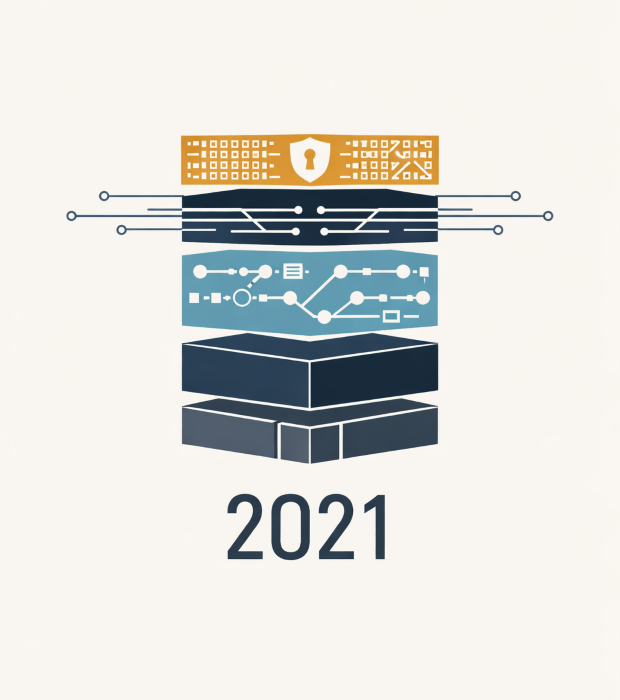
By 2021, quantum computing was no longer defined solely by experimental promise, but by growing demands for operational readiness. Across hardware, software, networking, and security, the ecosystem began organizing around scalable engineering and enterprise integration. Hybrid workflows, cloud delivery, and crypto-agile security planning progressed into early deployment. While fault-tolerant systems remained a longer-term goal, the year materially strengthened the infrastructure required to manage both opportunity and risk.
Quantum Computing Digest — 2020

2020 reflected a year of consolidation and readiness rather than breakthrough scale. Cloud platforms widened access, governments committed long-term funding, and enterprises began treating quantum risk and opportunity as programmatic concerns. While fault-tolerant systems remained distant, the ecosystem strengthened its technical, policy, and security foundations.
Quantum Computing Digest — Q4 2018

The final quarter of 2018 demonstrated the dual reality of quantum computing. While fault-tolerant systems remained distant, policy frameworks, post-quantum cryptography, and hybrid platforms advanced. Enterprises and governments began acting on long-term security and infrastructure needs. The period underscored preparation over immediate advantage.
Quantum Computing Digest — Q3 2018

The third quarter of 2018 reflected growing practical preparedness in quantum computing, as post-quantum cryptography moved into commercial partnerships and national strategies gained funding and legislative traction. Hardware progress in simulation and photonics continued, while quantum communication reached new performance records. Although fault-tolerant, large-scale systems were still years away, the period showed the ecosystem actively building the security, policy, and application foundations needed for future quantum advantage.
Quantum Computing Digest — Q2 2018

In Q2 2018, quantum computing shifted from exploratory research to dedicated investments and infrastructure. Hardware advances focused on error correction, while post-quantum cryptography progressed via NIST standardization initiatives. National policies, funding, quantum networking milestones, and early software platforms strengthened the foundation for scalable quantum technologies.
Quantum Computing Digest — Q1 2018

The first quarter of 2018 marked a pivotal period for quantum computing, featuring bold hardware announcements such as Google’s 72-qubit Bristlecone processor aimed at quantum supremacy. NIST initiated post-quantum cryptography standardization to counter future quantum threats. Governments worldwide boosted funding and strategies, while software tools and enterprise partnerships expanded, laying groundwork for the field’s next decade.
One Departure Is Manageable, but the Pattern Matters for Quantum R&D

The quantum race is not going to be decided by a headline breakthrough. It will be decided by who keeps the best researchers, builds the strongest labs, and trains the next generation at scale. That’s why the reverse brain drain in quantum research matters more than most people realize. The data shows a pattern — and the implications are bigger than any one scientist’s career move.
Quantum Computing Digest — Late 2017
By the end of 2017, The Qubit Report was working to share insights and perspectives on quantum computing with everyone from casual readers to expert analysts. Drawing on data, information, and analysis from late 2017, this digest highlights a time when the quantum computing focus was on structured preparation rather than rolling out hardware. Efforts in security planning, software development, communications experiments, and policy coordination all moved forward together, influencing how governments and businesses geared up for the quantum era. Curated by The Qubit Report, it captures a key moment of transition which set the stage for the years ahead.
nodeQ Quantum Networking Intelligence for Secure and Quantum-Safe Infrastructure

nodeQ is a UK-based quantum technology startup focused on software infrastructure for quantum and hybrid classical–quantum networks. Founded by quantum communications expert Stefano Pirandola, the company provides tools helping organizations assess existing architectures and plan cost-efficient transitions to quantum-safe systems. Its platforms support network simulation, risk analysis, and secure communications aligned with emerging post-quantum security requirements. nodeQ pulls together quantum networking, cybersecurity, and long-term infrastructure planning.
Ireland’s €36.9M Announcement: Quantum-Led QUBIC Anchors Deep-Tech Push

October 24, 2025, was a lucky day for quantum computing advancements in Ireland. Announcing a €36.9M in funding for 6 projects, the Irish Department of Enterprise, Tourism, and Employment set aside monies under the Disruptive Technologies Innovation Fund, or DTIF.